research, Writing

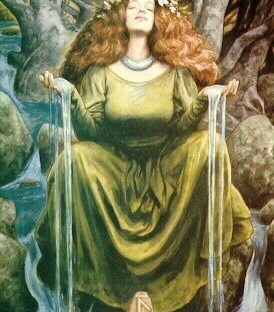
Norse Mythology: Frigg

Frigg (Old Norse Frigg, “Beloved”) is the highest-ranking of the Aesir goddesses. She’s the wife of Odin, and the mother of Baldur. Frigg is depicted as a völva - a Viking Age practitioner of the form of Norse magic known as seidr. Seidr was a shamanic discerning fate and working within that structure to bring… Continue reading Norse Mythology: Frigg

research, Writing

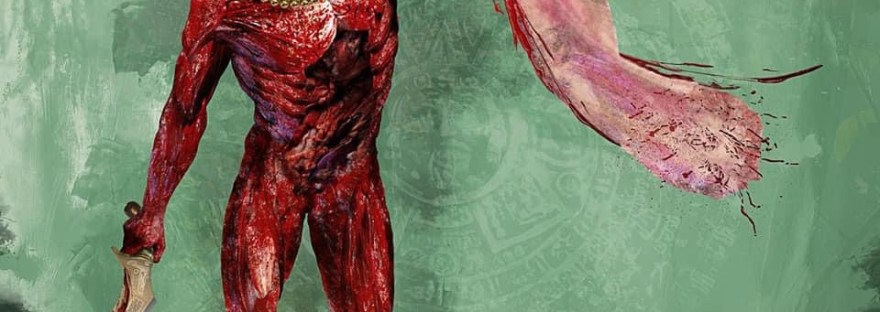
Aztec Mythology: Xipe Totec

Xipe Totec or 'Flayed One' in Nahuatl, was a major god in ancient Mesoamerican culture and particularly important for the Toltecs and Aztecs. He was considered the god of spring, the patron of seeds and planting and metal workers (especially goldsmiths) and gemstone workers. Xipe Totec was so closely connected to the sacrifices that were… Continue reading Aztec Mythology: Xipe Totec

research, Writing

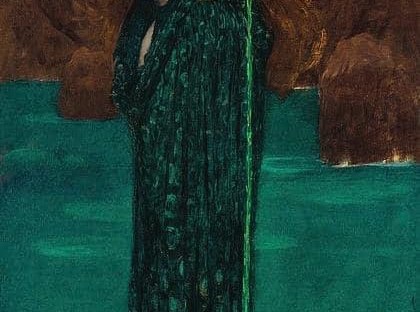
Arthurian Lore: Morgan le Fay

Morgan le Fay is also known as Morgana, Morgana and is one of the most powerful enchantress from Arthurian lore. She became very popular in the modern times from the novel by Marion Zimmer Bradley, The Mists of Avalon. Some of legends have their roots in medieval times which were transformed into the novel which… Continue reading Arthurian Lore: Morgan le Fay

research, Writing

Greek Myth: Circe

Circe was a daughter of the Greek sun god Helios, and his wife the Oceanid Perseis. Her siblings include another powerful sorceress, Pasiphae, the wife of Midas, and their brothers Perses and Aeetes. The brothers didn’t seem to inherit any magical abilities but the niece of Circe, Medea infamous did. Circe was one of the… Continue reading Greek Myth: Circe

research, Writing

Norse Mythology: Skadi

Skadi (Old Norse Skaði) is a frost giantess. Her name is identical to the Old Norse common noun skaði which means “harm,”. Her name may be related to the naming of landmass of “Scandinavia.” Skadi’s domain is the highest peaks of the mountains where the snow never melts. She is an keen huntress and her… Continue reading Norse Mythology: Skadi

research, Writing

Greek Mythology: Hades

Hades may be one of the most-well known and most popular gods from Ancient Greek mythology but wasn’t one of the recognised Olympian gods even despite being the brother of Zeus. Hades was the Greek god of the Dead and his domain took on his name and didn’t exist in the mortal realm but an… Continue reading Greek Mythology: Hades

research, Writing

Aztec Mythology: Mictlán

In Aztec cosmology, the soul intakes a journey to the Underworld after death and they have four destinations: the Sacred Orchard of the Gods, the Place of Darkness, the Kingdom of the Sun, and a paradise called the Mansion of the Moon. The most common destination for a soul is Mictlán (Place of Darkness) with… Continue reading Aztec Mythology: Mictlán

research, Writing

Norse Mythology: Loki

Loki (Old Norse: Loki “knot/tangle”) is a wily trickster god of Norse mythology. While treated as a nominal member of the Aesir, he occupies a highly ambivalent and unique position among the gods, giants, and the other kinds of spiritual beings that populate pre-Christian Norse religion. Loki is the father of three monsters with giantess… Continue reading Norse Mythology: Loki

research, Writing

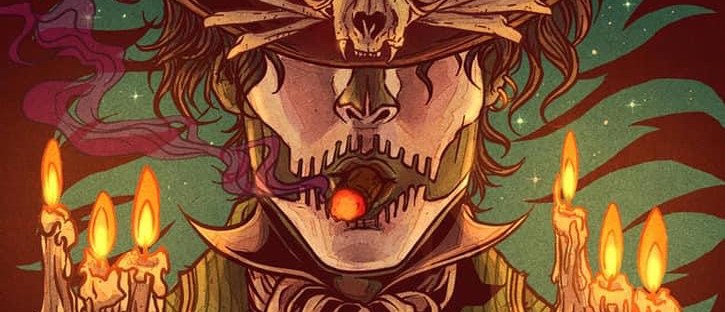
Voodoo Folklore: Baron Samedi

Baron Samedi is the leader of the Barons and possibly the Gedés. He presides over a sprawling, confusing, complex clan of spirits. Baron Samedi literally means Baron Saturday, which may sound innocuous compared to Baron Cemetery but a connection through Christianity is Saturday was between the crucifixion on Friday and resurrection on the Sunday. Thus,… Continue reading Voodoo Folklore: Baron Samedi

research, Writing

Norse Mythology: Freyr

Freyr (Old Norse Freyr, “Lord”) is one of the Vanir gods and is also counted among the Aesir gods as a hostage after the Aesir-Vanir War. Fryer’s father is the Vanir god Njord. Freyr has been the lover of numerous goddesses and giantesses and rumoured to include his own sister, Freya. Incest seems a common… Continue reading Norse Mythology: Freyr