Writing, research

Slavic Myth: Morrana

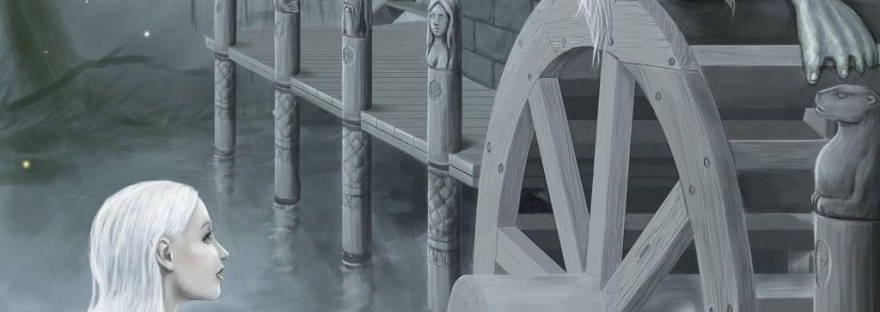
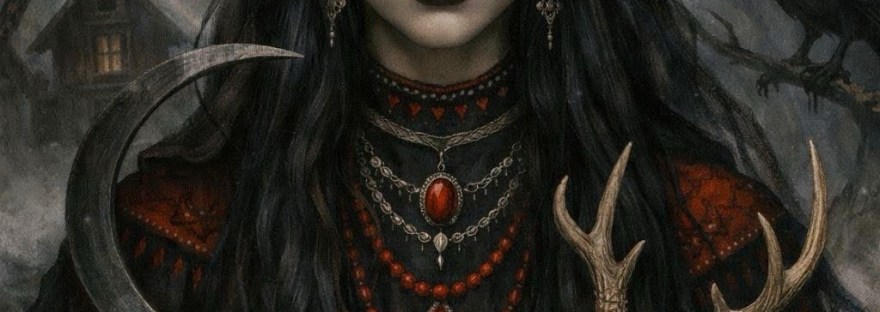
Morrana is the Slavic goddess of winter, death, decay, and rebirth, a queen of endings who makes space for beginnings. Not evil. Necessary. Who is Morrana? Goddess of Winter & cold Death, decay, and the grave Night, stillness, and silence The threshold between life and afterlife   In old Slavic belief, death wasnโ€™t feared and… Continue reading Slavic Myth: Morrana

research, Writing

Norse Myth: Loki

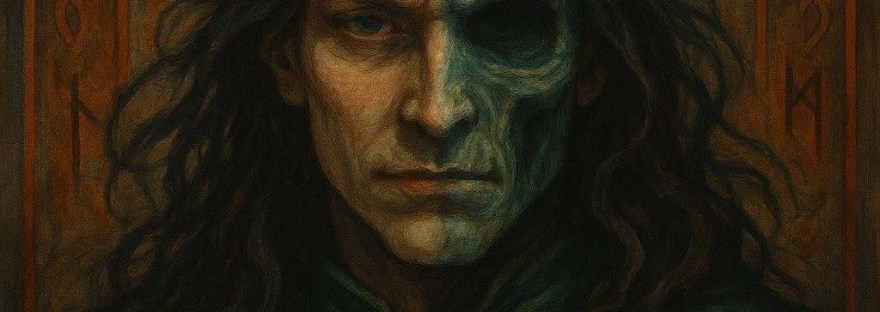
Who is Loki? Loki is a trickster godโ€”not evil by default, but disruptive by nature. He is clever, sharp-tongued, and endlessly adaptable. Born a jรถtunn (giant), he becomes blood-brother to Odin, which grants him a place among the ร†sir gods despite never fully belonging. That tensionโ€”insider and outsider at onceโ€”defines him. What does Loki Represent?… Continue reading Norse Myth: Loki

research, Writing

Favourite Reads, Folklore & Fairytales

Book DNA is working to connect readers and authors through shared interests and passions. I participated in one event to help promote Three Curses and Other Tales while also sharing the books and authors who influenced me most in writing that collection. You can read my thoughts on my 5 favourite books that influenced me… Continue reading Favourite Reads, Folklore & Fairytales

research, Writing

Historical Mass Hysterias

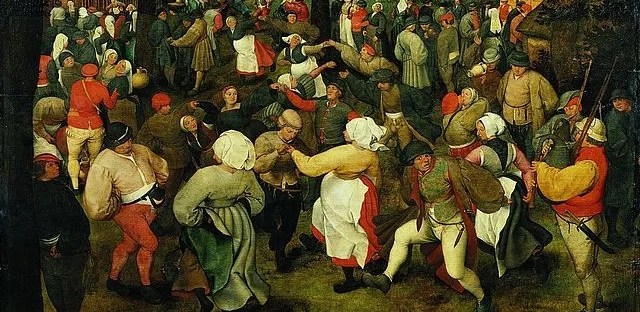
Mass sociogenic illnessโ€”also known as mass hysteria, epidemic hysteria or hysterical contagionโ€”occurs when symptoms without a clear medical cause spread among members of a community. โ€œThink of it as the placebo effect in reverse,โ€ says Dr. Robert Bartholomew, an honorary senior lecturer in the Department of Psychological Medicine at Auckland University. For centuries, human societies… Continue reading Historical Mass Hysterias

research, Writing

Scottish Folklore: The Cรน-Sรฌth

The Cรน-Sรฌth (pronounced koo-shee), a legendary fairy hound from Scottish Highland folklore โ€” and itโ€™s actually a very faithful, atmospheric portrayal. What is the Cรน-Sรฌth?โ€ข The name literally means โ€œfairy dogโ€ (cรน = hound, sรฌth = fairy / otherworld).โ€ข It is not just a magical animal โ€” itโ€™s a liminal being, halfway between:โ€ข the fairy… Continue reading Scottish Folklore: The Cรน-Sรฌth

research, Writing

World War I Alliances

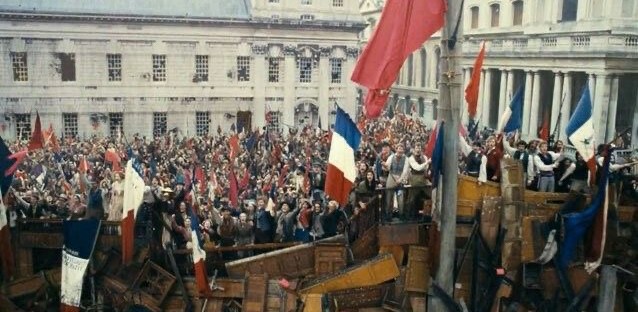
On June 28, 1914, a member of the revolutionary group Young Bosnia assassinated Archduke Franz Ferdinand. The archduke was the presumptive heir to the throne of Austria-Hungary, which had annexed Bosnia-Herzegovina several years before. Young Bosnia was trying to overthrow Austria-Hungaryโ€™s rule of the region and had acquired weapons for a revolution with the help… Continue reading World War I Alliances

research, Writing

Jรณlabรณkaflรณรฐ

Jรณlabรณkaflรณรฐ is Icelandโ€™s โ€œChristmas Book Floodโ€ which is celebrated more widely than ever. So what are the origins of this book reading tradition? The story of Jรณlabรณkaflรณรฐ is tied to both Icelandโ€™s love of literature and the deprivations during World War II. Icelandic Literature: Icelandโ€™s literary tradition goes back to the medieval sagas, the histories and… Continue reading Jรณlabรณkaflรณรฐ

research, Writing

Carmilla: Week 16

XVI. Conclusion I write all this you suppose with composure. But far from it; I cannot think of it without agitation. Nothing but your earnest desire so repeatedly expressed, could have induced me to sit down to a task that has unstrung my nerves for months to come, and reinduced a shadow of the unspeakable… Continue reading Carmilla: Week 16

research, Writing

Carmilla: Week 15

XV. Ordeal and Execution As he spoke one of the strangest looking men I ever beheld entered the chapel at the door through which Carmilla had made her entrance and her exit. He was tall, narrow-chested, stooping, with high shoulders, and dressed in black. His face was brown and dried in with deep furrows; he… Continue reading Carmilla: Week 15