research, Writing

Slavic Folklore: Upiór

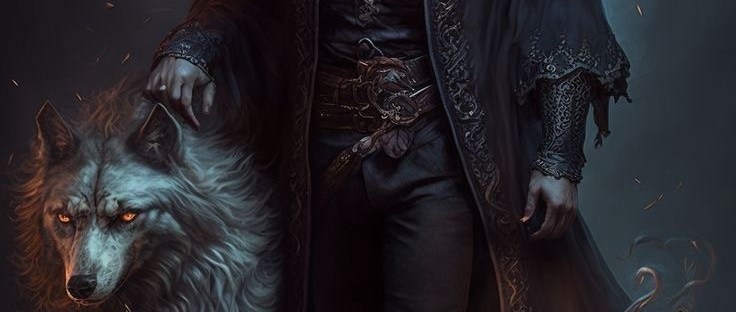
The Upiór is present in Slavic and Turkic folklore and resembles the vampire. The Upiór is depicted as a ravenous and insatiable creature with vampiric features. Belief in the Upiór may have spread across the Eurasian steppes through migrations with its origins in the regions surrounding the Volga River and the Pontic steppes. An Upiór… Continue reading Slavic Folklore: Upiór
research, Writing

Slavic Folklore: Rusalka

The Rusalka is related to water-dwelling nymphs and appears in the form of a beautiful woman. Water nymphs, unlike mermaids, have legs and can walk on land. Rusalki are found in rivers or lakes they come out of the streams at certain times a year to dance and walk in the woods especially in summer… Continue reading Slavic Folklore: Rusalka

research, Writing

Egyptian Myth: Hathor

Hathor was known as “the Great One of Many Names” and her titles and attributes are so numerous that she was important in nearly every aspect of ancient Egyptian life and death. Her widespread worship in the Predynastic period is indicated by her depiction on the Narmer palette. During the Old Kingdom period, her worship… Continue reading Egyptian Myth: Hathor

events, Writing

Diversity Grants & Awards

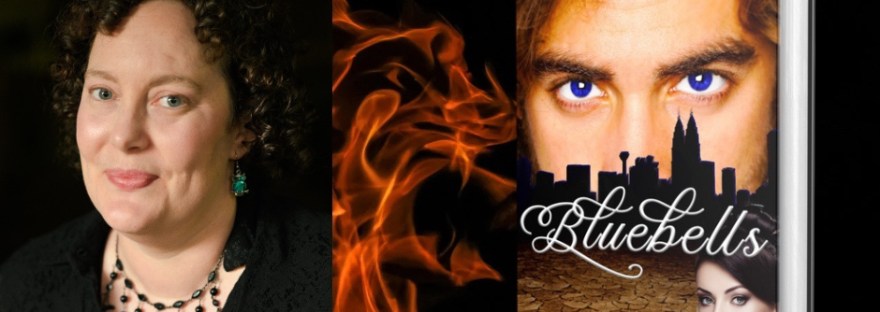
I’m really excited to announce I’ve been nominated for the Ditmar Awards for Best New Talent and Best Novella for Bluebells - an LGBTQI, disability dystopian alternate history horror. I’m a recipient of the 2023 Horror Writers Association Diversity Grants to allow me to continue research for my HWA mentorship project with Lee Murray. The… Continue reading Diversity Grants & Awards

research, Writing

Arthurian Lore: Merlin

Merlin is the archetypal wizard from Arthurian lore. Merlin is a Latinized version of the Welsh Myrddin. His exact origins are lost in myth and there is no concrete evidence, but there was possibly several individuals who were guardians to kings, prophets and bards existed toward in the late fifth century. What we have today… Continue reading Arthurian Lore: Merlin

research, Writing

Norse Mythology: Frigg

Frigg (Old Norse Frigg, “Beloved”) is the highest-ranking of the Aesir goddesses. She’s the wife of Odin, and the mother of Baldur. Frigg is depicted as a völva - a Viking Age practitioner of the form of Norse magic known as seidr. Seidr was a shamanic discerning fate and working within that structure to bring… Continue reading Norse Mythology: Frigg

research, Writing

Aztec Mythology: Xipe Totec

Xipe Totec or 'Flayed One' in Nahuatl, was a major god in ancient Mesoamerican culture and particularly important for the Toltecs and Aztecs. He was considered the god of spring, the patron of seeds and planting and metal workers (especially goldsmiths) and gemstone workers. Xipe Totec was so closely connected to the sacrifices that were… Continue reading Aztec Mythology: Xipe Totec

research, Writing

Arthurian Lore: Morgan le Fay

Morgan le Fay is also known as Morgana, Morgana and is one of the most powerful enchantress from Arthurian lore. She became very popular in the modern times from the novel by Marion Zimmer Bradley, The Mists of Avalon. Some of legends have their roots in medieval times which were transformed into the novel which… Continue reading Arthurian Lore: Morgan le Fay

research, Writing

Greek Myth: Circe

Circe was a daughter of the Greek sun god Helios, and his wife the Oceanid Perseis. Her siblings include another powerful sorceress, Pasiphae, the wife of Midas, and their brothers Perses and Aeetes. The brothers didn’t seem to inherit any magical abilities but the niece of Circe, Medea infamous did. Circe was one of the… Continue reading Greek Myth: Circe

research, Writing

Norse Mythology: Skadi

Skadi (Old Norse Skaði) is a frost giantess. Her name is identical to the Old Norse common noun skaði which means “harm,”. Her name may be related to the naming of landmass of “Scandinavia.” Skadi’s domain is the highest peaks of the mountains where the snow never melts. She is an keen huntress and her… Continue reading Norse Mythology: Skadi