research, Writing

Inuit Folklore: The Amikuk

The Amikuk is a monster from Inuit legend that is as deadly on land as it is in the water. They possess a deep hatred for al humans and actively hunt for kayakers in the open waters off the Alaskan coast. The Amikuk are often described as extremely long but almost human-like in shape. They… Continue reading Inuit Folklore: The Amikuk

research, Writing

Leprechaun Folklore

The stereotype of the leprechaun is of lucky charms and pots of gold at the end of a rainbow. But leprechauns are members of the Fairy folk, a type of sidhe and are unusual because leprechauns are almost exclusively always male. The name leprechaun derives from the Gaelic leith brog “one shoemaker.” The leprechaun is… Continue reading Leprechaun Folklore

research, Writing

Freyja: Norse Mythology

Freya (Old Norse Freyja, “Lady”) is one of the preeminent goddesses in Norse mythology. She’s a member of the Vanir tribe of deities, but became a member of the Aesir gods after the Aesir-Vanir War. Her brother Freyr also became a member of the Aesir. Freyja is the Norse goddess of love, fertility, beauty and… Continue reading Freyja: Norse Mythology

research, Writing

Ryujin: Japanese Folklore

In Japanese mythology, thousands of dragons exist. All of them have three common characteristics: three claws on each leg, a mustache and a sacred pearl that is called the "dragon pearl". The magic of the dragons come from these jewels. It is from this jewel that the magic of these dragons comes. The greatest of… Continue reading Ryujin: Japanese Folklore

research, Writing

The Anden Cóndor Myth

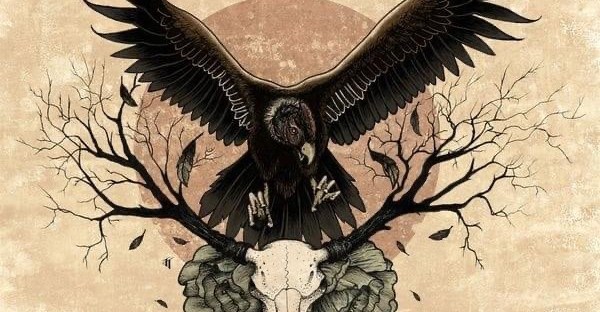
The Condor is a mythic Trickster figure in the legends of the local people of the Andes. There is a myth which accompanies the Condor recounted below from source unknown. There was once a an old shepherd who lived with his beautiful young daughter in a little village at the top of the Andes. The… Continue reading The Anden Cóndor Myth

research, Writing

Hell Hounds

Hellhounds are demons or evil spirits that take the form of a dog. Throughout history and in numerous cultures there are creatures known as hellhounds which appear in mythology, legend and folklore - sometimes as guardians of forbidden areas or as sinister loners that spread death and misery wherever they tread. A Hellhound is not… Continue reading Hell Hounds

research, Writing

The Kishi

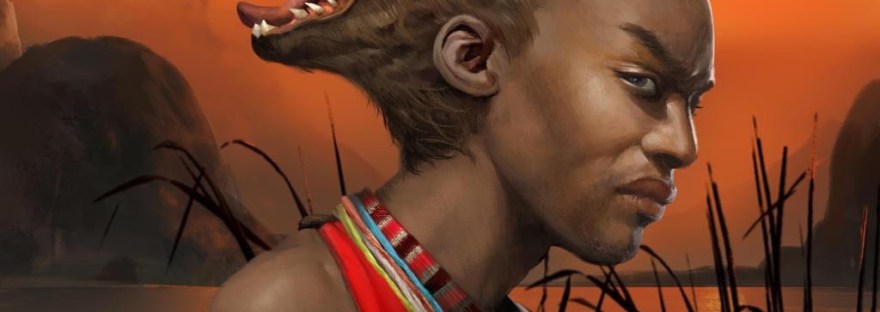
The Kishi by TheRafaArts The Kimbundu people of Angola believe in a fast and agile vampiric demon named the. Kishi. Its true form has two heads appearing as a hyena with large teeth and powerful jaws on one side, a human face on the other . It can shape-shift into a man and in that… Continue reading The Kishi

research, Writing

The Dearg-Due

The Dearg-Due means “red” in Irish but wasn’t the name of this poor girl during her life. In life, over two thousand years ago, she was a legendary beauty, with blood-red lips and pale blonde hair. Her true name has been lost to the ages, overshadowed instead by the thing she became. Men travelled from… Continue reading The Dearg-Due

research, Writing

The Red String of Fate

The Red Thread of Fate, refers to an ancient Asian myth of love. The Red Thread of Fate also referred to as the Red Thread of Marriage, and other variants, is an East Asian belief originating from a Chinese legend. In Chinese mythology, the gods tie an invisible red string around the ankles of those… Continue reading The Red String of Fate

research, Writing

The Roggenmuhme

German folklore Seeing parts of a rye crop suddenly move is according to old German folklore, not caused by the wind or animals, but by the Roggenmuhme, a witch-like monster who resides within rye fields. Literally translated, the name means ‘rye mother’. Like many folklore and fairytales, it originated as a cautionary tale to discourage… Continue reading The Roggenmuhme