reads, reblog

Reblog: All the New Horror Books Coming in April 2024

April 2024โ€™s new horror books, featuring titles from Adam Nevill, Hailey Piper, V. Castro, Nick Medina, Eric LaRocca, Sarah Langan, Thomas Olde โ€ฆ All the New Horror Books Coming in April 2024

research, Writing

Slavic Folklore: Samodivi

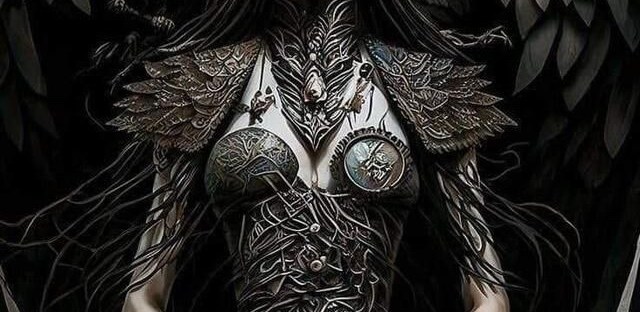
A samodiva (plural: samodivi) is a wood nymph from the Balkans, specifically in Bulgaria. Samodiva translates โ€˜samoโ€™ (alone) and โ€˜divaโ€™ (wild/divine). The first part of the name signifies avoidance of humans and the second part indicates the wild or divine nature. These nymphs are forest spirits who appear as beautiful young women. But the Samodivi… Continue reading Slavic Folklore: Samodivi

reads, Recent Reads

Shanghai Immortal

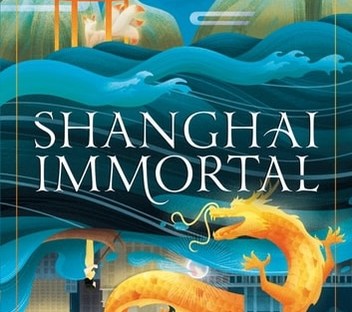
Publisherโ€™s Description Half vampire. Half fox-spirit. All trouble.Pawned by her mother to the King of Hell as a child, Lady Jing is half-vampire, half-hulijing fox-spirit and all sasshole. As the Kingโ€™s ward, she has spent the past ninety years running errands, dodging the taunts of the spiteful hulijing courtiers, and trying to control her explosive… Continue reading Shanghai Immortal

research

Slavic Folklore: The Likho

Art - Marek Hapon The likho is part of Eastern Slavic fairy tales. Although not as frequently mentioned as the witch Baba Yaga, the likho assumes many guises from an old woman clad in black or a male goblin-like being. The common feature in both is the likho has only one eye. In the pre-Christian… Continue reading Slavic Folklore: The Likho

research, Writing

Slavic Folklore: Upiรณr

The Upiรณr is present in Slavic and Turkic folklore and resembles the vampire. The Upiรณr is depicted as a ravenous and insatiable creature with vampiric features. Belief in the Upiรณr may have spread across the Eurasian steppes through migrations with its origins in the regions surrounding the Volga River and the Pontic steppes. An Upiรณr… Continue reading Slavic Folklore: Upiรณr

research, Writing

Slavic Folklore: Rusalka

The Rusalka is related to water-dwelling nymphs and appears in the form of a beautiful woman. Water nymphs, unlike mermaids, have legs and can walk on land. Rusalki are found in rivers or lakes they come out of the streams at certain times a year to dance and walk in the woods especially in summer… Continue reading Slavic Folklore: Rusalka

reads, Recent Reads

The Salt-Black Tree

** I received an ARC for an honest review ** Publisherโ€™s Description Nat Drozdova has crossed half the continent in search of the stolen Dead Godโ€™s Heart, the only thing powerful enough to trade for her beautiful, voracious, dying motherโ€™s life. Yet now she knows the secret of her own birthโ€”and that sheโ€™s been lied… Continue reading The Salt-Black Tree

reads, Recent Reads

Steel Victory

Publisherโ€™s Description One hundred years ago, the vampire Victory retired from a centuries-long mercenary career. She settled in Limani, the independent city-state acting as a neutral zone between the British and Roman colonies on the New Continent. Twenty years ago, Victory adopted a human baby girl, who soon showed signs of magical ability. Today, Victory… Continue reading Steel Victory

research, Writing

Greek Myth: Circe

Circe was a daughter of the Greek sun god Helios, and his wife the Oceanid Perseis. Her siblings include another powerful sorceress, Pasiphae, the wife of Midas, and their brothers Perses and Aeetes. The brothers didnโ€™t seem to inherit any magical abilities but the niece of Circe, Medea infamous did. Circe was one of the… Continue reading Greek Myth: Circe

research, Writing

Norse Mythology: Loki

Loki (Old Norse: Loki โ€œknot/tangleโ€) is a wily trickster god of Norse mythology. While treated as a nominal member of the Aesir, he occupies a highly ambivalent and unique position among the gods, giants, and the other kinds of spiritual beings that populate pre-Christian Norse religion. Loki is the father of three monsters with giantess… Continue reading Norse Mythology: Loki