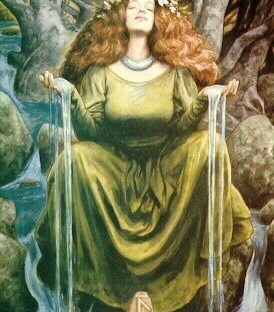
Frigg (Old Norse Frigg, “Beloved”) is the highest-ranking of the Aesir goddesses. She’s the wife of Odin, and the mother of Baldur. Frigg is depicted as a völva - a Viking Age practitioner of the form of Norse magic known as seidr. Seidr was a shamanic discerning fate and working within that structure to bring… Continue reading Norse Mythology: Frigg
Tag: Writing
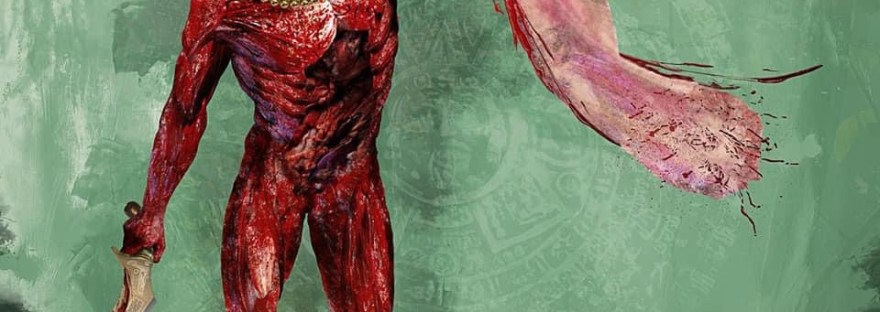
Aztec Mythology: Xipe Totec
Xipe Totec or 'Flayed One' in Nahuatl, was a major god in ancient Mesoamerican culture and particularly important for the Toltecs and Aztecs. He was considered the god of spring, the patron of seeds and planting and metal workers (especially goldsmiths) and gemstone workers. Xipe Totec was so closely connected to the sacrifices that were… Continue reading Aztec Mythology: Xipe Totec
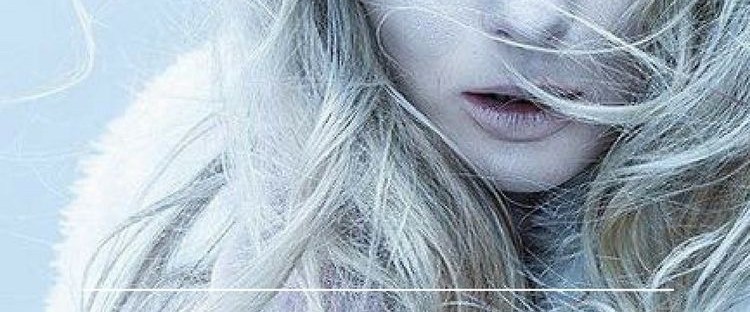
Norse Mythology: Skadi
Skadi (Old Norse Skaði) is a frost giantess. Her name is identical to the Old Norse common noun skaði which means “harm,”. Her name may be related to the naming of landmass of “Scandinavia.” Skadi’s domain is the highest peaks of the mountains where the snow never melts. She is an keen huntress and her… Continue reading Norse Mythology: Skadi
Greek Mythology: Hades
Hades may be one of the most-well known and most popular gods from Ancient Greek mythology but wasn’t one of the recognised Olympian gods even despite being the brother of Zeus. Hades was the Greek god of the Dead and his domain took on his name and didn’t exist in the mortal realm but an… Continue reading Greek Mythology: Hades
Aztec Mythology: Mictlán
In Aztec cosmology, the soul intakes a journey to the Underworld after death and they have four destinations: the Sacred Orchard of the Gods, the Place of Darkness, the Kingdom of the Sun, and a paradise called the Mansion of the Moon. The most common destination for a soul is Mictlán (Place of Darkness) with… Continue reading Aztec Mythology: Mictlán
Norse Mythology: Loki
Loki (Old Norse: Loki “knot/tangle”) is a wily trickster god of Norse mythology. While treated as a nominal member of the Aesir, he occupies a highly ambivalent and unique position among the gods, giants, and the other kinds of spiritual beings that populate pre-Christian Norse religion. Loki is the father of three monsters with giantess… Continue reading Norse Mythology: Loki
Voodoo Folklore: Baron Samedi
Baron Samedi is the leader of the Barons and possibly the Gedés. He presides over a sprawling, confusing, complex clan of spirits. Baron Samedi literally means Baron Saturday, which may sound innocuous compared to Baron Cemetery but a connection through Christianity is Saturday was between the crucifixion on Friday and resurrection on the Sunday. Thus,… Continue reading Voodoo Folklore: Baron Samedi
Norse Mythology: Freyr
Freyr (Old Norse Freyr, “Lord”) is one of the Vanir gods and is also counted among the Aesir gods as a hostage after the Aesir-Vanir War. Fryer’s father is the Vanir god Njord. Freyr has been the lover of numerous goddesses and giantesses and rumoured to include his own sister, Freya. Incest seems a common… Continue reading Norse Mythology: Freyr
Greek Mythology: Nyx
Nyx is a very unique goddess. She has the ability to bring sleep or death. Even Zeus feared Nyx because she was older and stronger than him. She is the only goddess he’s ever known to fear. She is often described as a winged or riding in a chariot across the sky, shrouded in mist… Continue reading Greek Mythology: Nyx
Breton Folklore: The Ankou
The Ankou (Breton), Ankow (Cornish) or Angau (Welsh) from Celtic legend most commonly occurs in Brittany. Here you can still spot the Ankou haunting many of the churches and cathedrals. What is the Ankou? It’s defiant remnant of Pagan influence that had survived hidden among the stone-work of Christian buildings. The Ankou haunts the graveyard… Continue reading Breton Folklore: The Ankou

You must be logged in to post a comment.