research, Writing

Voodoo Folklore: Baron Samedi

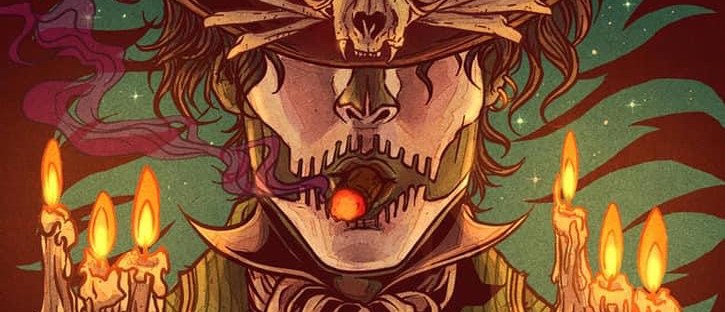
Baron Samedi is the leader of the Barons and possibly the Gedรฉs. He presides over a sprawling, confusing, complex clan of spirits. Baron Samedi literally means Baron Saturday, which may sound innocuous compared to Baron Cemetery but a connection through Christianity is Saturday was between the crucifixion on Friday and resurrection on the Sunday. Thus,… Continue reading Voodoo Folklore: Baron Samedi
research, Writing

Norse Mythology: Freyr

Freyr (Old Norse Freyr, โ€œLordโ€) is one of the Vanir gods and is also counted among the Aesir gods as a hostage after the Aesir-Vanir War. Fryerโ€™s father is the Vanir god Njord. Freyr has been the lover of numerous goddesses and giantesses and rumoured to include his own sister, Freya. Incest seems a common… Continue reading Norse Mythology: Freyr

research, Writing

Greek Mythology: Nyx

Nyx is a very unique goddess. She has the ability to bring sleep or death. Even Zeus feared Nyx because she was older and stronger than him. She is the only goddess heโ€™s ever known to fear. She is often described as a winged or riding in a chariot across the sky, shrouded in mist… Continue reading Greek Mythology: Nyx

research, Writing

Breton Folklore: The Ankou

The Ankou (Breton), Ankow (Cornish) or Angau (Welsh) from Celtic legend most commonly occurs in Brittany. Here you can still spot the Ankou haunting many of the churches and cathedrals. What is the Ankou? Itโ€™s defiant remnant of Pagan influence that had survived hidden among the stone-work of Christian buildings. The Ankou haunts the graveyard… Continue reading Breton Folklore: The Ankou

research, Writing

Irish Folklore: Fรฉar Gortach

The Fear Gorta means Famine Man or Fรฉar Gortach and refers to the Hungry or Famine Grass in Irish folklore. The Famine or Hungry Man is a skeletal wraith and a harbinger of death. Fรฉar Gortach is a folklore tale of a cursed patch of land where if you tread, you are doomed to die… Continue reading Irish Folklore: Fรฉar Gortach

research, Writing

Inuit Folklore: The Amikuk

The Amikuk is a monster from Inuit legend that is as deadly on land as it is in the water. They possess a deep hatred for al humans and actively hunt for kayakers in the open waters off the Alaskan coast. The Amikuk are often described as extremely long but almost human-like in shape. They… Continue reading Inuit Folklore: The Amikuk

research, Writing

Leprechaun Folklore

The stereotype of the leprechaun is of lucky charms and pots of gold at the end of a rainbow. But leprechauns are members of the Fairy folk, a type of sidhe and are unusual because leprechauns are almost exclusively always male. The name leprechaun derives from the Gaelic leith brog โ€œone shoemaker.โ€ The leprechaun is… Continue reading Leprechaun Folklore

research, Writing

Freyja: Norse Mythology

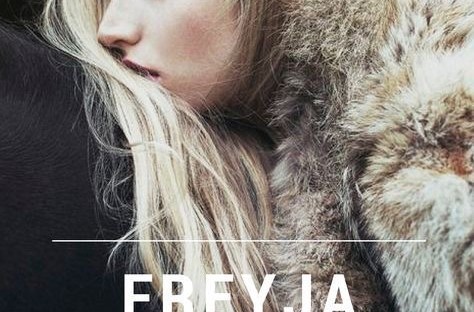
Freya (Old Norse Freyja, โ€œLadyโ€) is one of the preeminent goddesses in Norse mythology. Sheโ€™s a member of the Vanir tribe of deities, but became a member of the Aesir gods after the Aesir-Vanir War. Her brother Freyr also became a member of the Aesir. Freyja is the Norse goddess of love, fertility, beauty and… Continue reading Freyja: Norse Mythology

research, Writing

The Anden Cรณndor Myth

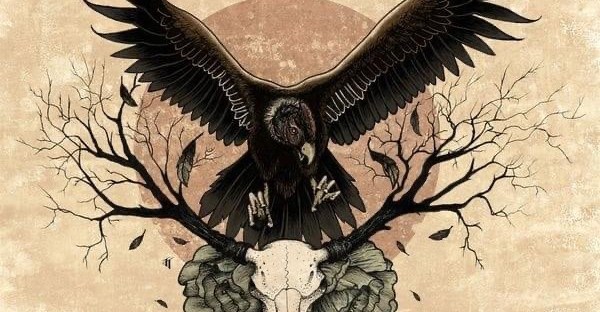
The Condor is a mythic Trickster figure in the legends of the local people of the Andes. There is a myth which accompanies the Condor recounted below from source unknown. There was once a an old shepherd who lived with his beautiful young daughter in a little village at the top of the Andes. The… Continue reading The Anden Cรณndor Myth

research, Writing

Hell Hounds

Hellhounds are demons or evil spirits that take the form of a dog. Throughout history and in numerous cultures there are creatures known as hellhounds which appear in mythology, legend and folklore - sometimes as guardians of forbidden areas or as sinister loners that spread death and misery wherever they tread. A Hellhound is not… Continue reading Hell Hounds