research, Writing

Blathnat: Irish Mythology

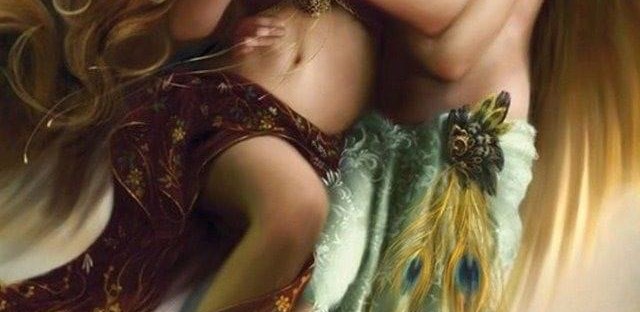
Goddess of the Tuatha de Danann Blathnat is an Irish goddess of abundance and tales of her appear in the Ulster Cycle describing her as the beautiful, scheming and unfaithful queen of the sorcerer Cu Roi. The intense love affair between Blathnat and Cuchulainn led to the death of her husband, Cu Roi. A common… Continue reading Blathnat: Irish Mythology

research, Writing

The Banshee

A Banshee is a fairy in Irish legend and her scream is believed to be an omen of death. The scream is also called ‘caoine’ which means ‘keening’ and is a warning that there will be an imminent death in the family. As the Irish families blended over time, it is said that each family… Continue reading The Banshee

research, Writing

Mirror Folklore

In folklore, a mirror is a doorway or portal through which spirits, including ghosts and demons can gain access to the physical world where demonic infestations and hauntings occur. In prehistory, any shiny surface was regarded as a spirit doorway and used to summon spirits into the world. They also are used for seeing visions… Continue reading Mirror Folklore

research, Writing

Dullahan

The Dullahan is a headless rider on a black horse carrying carries his own head under one arm. Usually, the Dullahan is male, but there are some female versions. The mouth of the head has a rictus grin and the eyes move constantly. The Dullahan also has the power to see across the countryside even… Continue reading Dullahan

events, Writing

Conflux 16 2022 Convention

A very late post on the October 2022 Conflux 16 Speculative Fiction Convention held in Canberra. Aside from being an invited panelist for 4 seperate panels, I ran my first Dealers Table for the four days and officially launched Bluebells. I was also an invited panellist on 4 panels - each exciting to engage with… Continue reading Conflux 16 2022 Convention

research, Writing

Scottish Kelpie

In Scotland, a kelpie is a shape-shifting water spirit living in lakes and pools. They’re defined as demons appearing specifically in the shape of horses. However, some legends say they can also assume human form. In human form, the kelpie still retains its hooves. Thus, the kelpie is seen as a malevolent entity. Almost every… Continue reading Scottish Kelpie

research, Writing

Norse Witch: Gullveig

Gullveig is an important female figure mentioned in two stanzas in the Völuspá, one of the poems in the Nordic Poetic Edda. Her prominent role describes the events leading to the Aesir-Vanir War, the war between the two main tribes of deities in Norse mythology, the Aesir and the Vanir and the destruction of the… Continue reading Norse Witch: Gullveig

research, Writing

The Tengu

Kidomaru and the Tengu - Utagawa Kuniyoshi In Japanese folklore, many stories include spirits, supernatural creatures, and demons called yokai. And of all the yokai, the tengu is the one that might seem most familiar to a modern Westerner. At first glance, it's a lot like a superhero: the ability to fly, great physical strength,… Continue reading The Tengu

research, Writing

Dark Beira: Queen of Winter

In Scottish mythology, Beira or Dark Beira is the great mother of the gods and goddesses. She’s also known as the Cailleach, or the Cailleach Bheur in the Gaelic traditions of Ireland and the Isle of Man. Donald Alexander Mackenzie usually described her as being very tall and very old but could be terribly fierce… Continue reading Dark Beira: Queen of Winter

research, Writing

The Mari Lwyd

In the darkest months of the Welsh year, a white horse appears at your front door. It is mysterious and menacing Mari Lwyd. The Mari Lwyd has a horse skull for a head and lights or baubles for eyes. Her mane is made of colourful streamers, sometimes made of holly and ivy. She is covered… Continue reading The Mari Lwyd