research, Writing

What is Alternate History?

Pocket watch Image from Pinterest Alternate history is a term readers and writers will often come across as a sub-genre. It is a sub-genre that fascinates me and I often incorporate this into my writing. But what really does writing “alternate history” really involve? A new guide by AUS author Jack Dann The Fiction Writer’s… Continue reading What is Alternate History?

research, Writing

Irish Folklore: The Fairy Wife

Town of Tipperary - Amergin Bard “Are you a witch? Are you a Fairy? Or are you the wife of Michael Cleary?” These are the haunting lines of an Irish children’s dancing rhyme still remembered in modern Ireland today. It tells of a brutal murder, madness a strong belief in the Fair Folk. In Tipperary,… Continue reading Irish Folklore: The Fairy Wife

research

Slavic Folklore: The Likho

Art - Marek Hapon The likho is part of Eastern Slavic fairy tales. Although not as frequently mentioned as the witch Baba Yaga, the likho assumes many guises from an old woman clad in black or a male goblin-like being. The common feature in both is the likho has only one eye. In the pre-Christian… Continue reading Slavic Folklore: The Likho

events, Writing

Asylumfest Horror Convention

May Day Hills Historic Asylum AsylumFest 2023 will be held October 27 - 29 in Mayday Hills located within Beechworth, Victoria. Mayday Hills operated from 1867 to 1995 and was one of the largest mental health facilities in the state, with over 1200 patients and 500 staff at its peak. Today, it is a heritage… Continue reading Asylumfest Horror Convention

reads, Recent Reads

Viking Women

Publisher’s Description Let’s travel in time together, a thousand or so years back, and meet Viking women in their hearth-lit world. How did these medieval viragoes live, love and die? How can we encounter them as flesh-and-blood beings with fears and feelings – not just as names in sagas or runes carved into stone? In… Continue reading Viking Women

research, Writing

Slavic Folklore: Upiór

The Upiór is present in Slavic and Turkic folklore and resembles the vampire. The Upiór is depicted as a ravenous and insatiable creature with vampiric features. Belief in the Upiór may have spread across the Eurasian steppes through migrations with its origins in the regions surrounding the Volga River and the Pontic steppes. An Upiór… Continue reading Slavic Folklore: Upiór

events, Writing

Diversity Grants & Awards

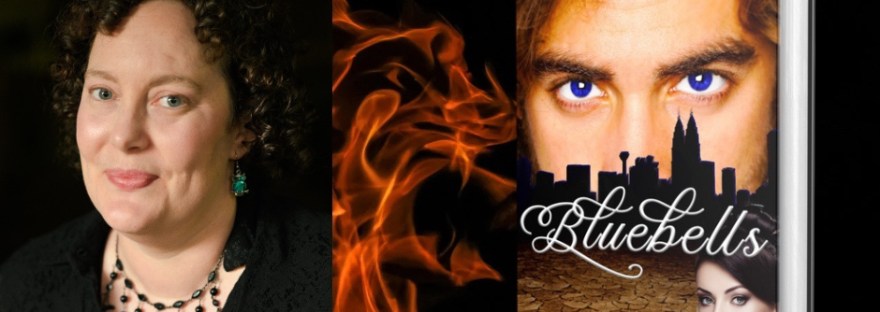
I’m really excited to announce I’ve been nominated for the Ditmar Awards for Best New Talent and Best Novella for Bluebells - an LGBTQI, disability dystopian alternate history horror. I’m a recipient of the 2023 Horror Writers Association Diversity Grants to allow me to continue research for my HWA mentorship project with Lee Murray. The… Continue reading Diversity Grants & Awards

research, Writing

Arthurian Lore: Merlin

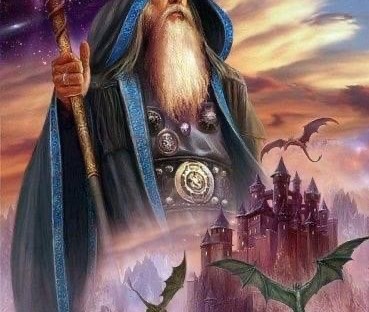
Merlin is the archetypal wizard from Arthurian lore. Merlin is a Latinized version of the Welsh Myrddin. His exact origins are lost in myth and there is no concrete evidence, but there was possibly several individuals who were guardians to kings, prophets and bards existed toward in the late fifth century. What we have today… Continue reading Arthurian Lore: Merlin

research, Writing

Norse Mythology: Skadi

Skadi (Old Norse Skaði) is a frost giantess. Her name is identical to the Old Norse common noun skaði which means “harm,”. Her name may be related to the naming of landmass of “Scandinavia.” Skadi’s domain is the highest peaks of the mountains where the snow never melts. She is an keen huntress and her… Continue reading Norse Mythology: Skadi

research, Writing

Aztec Mythology: Mictlán

In Aztec cosmology, the soul intakes a journey to the Underworld after death and they have four destinations: the Sacred Orchard of the Gods, the Place of Darkness, the Kingdom of the Sun, and a paradise called the Mansion of the Moon. The most common destination for a soul is Mictlán (Place of Darkness) with… Continue reading Aztec Mythology: Mictlán