reads, Recent Reads

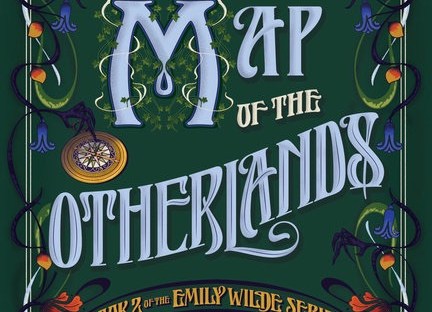
Emily Wilde’s Map of the Otherlands

** I received an ARC for an honest review ** Publisher’s Description Emily Wilde is a genius scholar of faerie folklore who just wrote the world’s first comprehensive encyclopaedia of faeries. She’s learned many of the secrets of the Hidden Ones on her adventures . . . and also from her fellow scholar and former… Continue reading Emily Wilde’s Map of the Otherlands
research, Writing

Slavic Folklore: Samodivi

A samodiva (plural: samodivi) is a wood nymph from the Balkans, specifically in Bulgaria. Samodiva translates ‘samo’ (alone) and ‘diva’ (wild/divine). The first part of the name signifies avoidance of humans and the second part indicates the wild or divine nature. These nymphs are forest spirits who appear as beautiful young women. But the Samodivi… Continue reading Slavic Folklore: Samodivi

research

Slavic Folklore: The Likho

Art - Marek Hapon The likho is part of Eastern Slavic fairy tales. Although not as frequently mentioned as the witch Baba Yaga, the likho assumes many guises from an old woman clad in black or a male goblin-like being. The common feature in both is the likho has only one eye. In the pre-Christian… Continue reading Slavic Folklore: The Likho

research, Writing

Slavic Folklore: Rusalka

The Rusalka is related to water-dwelling nymphs and appears in the form of a beautiful woman. Water nymphs, unlike mermaids, have legs and can walk on land. Rusalki are found in rivers or lakes they come out of the streams at certain times a year to dance and walk in the woods especially in summer… Continue reading Slavic Folklore: Rusalka

research, Writing

Celtic Myth: Danu

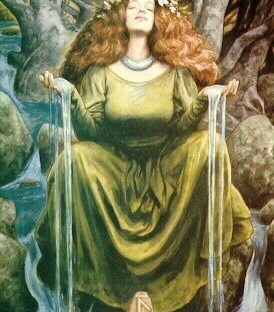
Danu is one of the oldest Celtic goddess. She is represented by the earth and its abundance. Many place names in Ireland are associated with her, most notable the Paps of Anu in Kerry, which resemble the breasts of a large supine female, part of the land. Danu is known as the ‘beantuathach’ (farmer) associating… Continue reading Celtic Myth: Danu

research, Writing

Norse Mythology: Freyr

Freyr (Old Norse Freyr, “Lord”) is one of the Vanir gods and is also counted among the Aesir gods as a hostage after the Aesir-Vanir War. Fryer’s father is the Vanir god Njord. Freyr has been the lover of numerous goddesses and giantesses and rumoured to include his own sister, Freya. Incest seems a common… Continue reading Norse Mythology: Freyr

research, Writing

Freyja: Norse Mythology

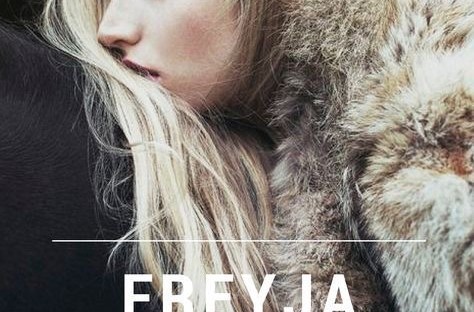
Freya (Old Norse Freyja, “Lady”) is one of the preeminent goddesses in Norse mythology. She’s a member of the Vanir tribe of deities, but became a member of the Aesir gods after the Aesir-Vanir War. Her brother Freyr also became a member of the Aesir. Freyja is the Norse goddess of love, fertility, beauty and… Continue reading Freyja: Norse Mythology

research, Writing

The Roggenmuhme

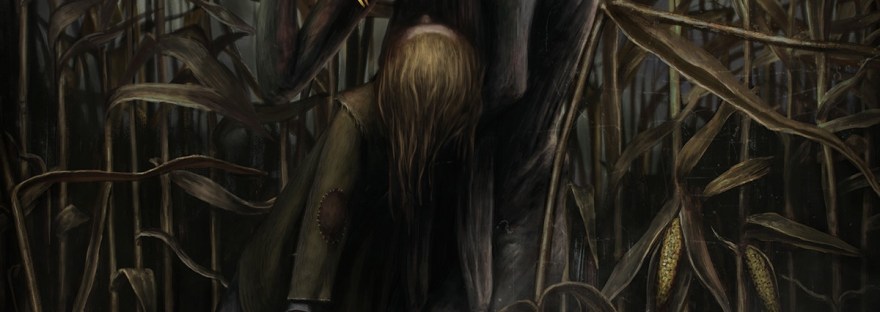
German folklore Seeing parts of a rye crop suddenly move is according to old German folklore, not caused by the wind or animals, but by the Roggenmuhme, a witch-like monster who resides within rye fields. Literally translated, the name means ‘rye mother’. Like many folklore and fairytales, it originated as a cautionary tale to discourage… Continue reading The Roggenmuhme

Short Fiction, stories

New Release! Dark Christmas

An updated and quality full-colour paperback of the second edition of my illustrated chapbook and ebook Dark Christmas were released on February 15, 2023. Dark Christmas marks the first in my new chapbook series Quick Bites Chapbooks published under my imprint Quill Lore. These chapbooks are a combination of short stories or microfiction on a… Continue reading New Release! Dark Christmas

research, Writing

Dark Beira: Queen of Winter

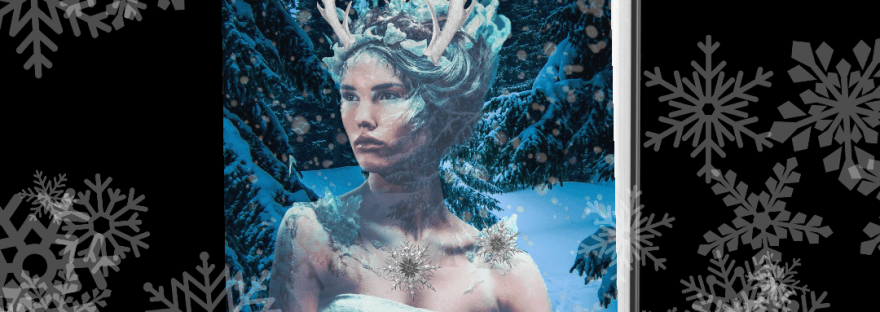
In Scottish mythology, Beira or Dark Beira is the great mother of the gods and goddesses. She’s also known as the Cailleach, or the Cailleach Bheur in the Gaelic traditions of Ireland and the Isle of Man. Donald Alexander Mackenzie usually described her as being very tall and very old but could be terribly fierce… Continue reading Dark Beira: Queen of Winter