research, Writing

Slavic Folklore: Upiór

The Upiór is present in Slavic and Turkic folklore and resembles the vampire. The Upiór is depicted as a ravenous and insatiable creature with vampiric features. Belief in the Upiór may have spread across the Eurasian steppes through migrations with its origins in the regions surrounding the Volga River and the Pontic steppes. An Upiór… Continue reading Slavic Folklore: Upiór
research, Writing

Slavic Folklore: Rusalka

The Rusalka is related to water-dwelling nymphs and appears in the form of a beautiful woman. Water nymphs, unlike mermaids, have legs and can walk on land. Rusalki are found in rivers or lakes they come out of the streams at certain times a year to dance and walk in the woods especially in summer… Continue reading Slavic Folklore: Rusalka

reads, Recent Reads

The Salt-Black Tree

** I received an ARC for an honest review ** Publisher’s Description Nat Drozdova has crossed half the continent in search of the stolen Dead God’s Heart, the only thing powerful enough to trade for her beautiful, voracious, dying mother’s life. Yet now she knows the secret of her own birth—and that she’s been lied… Continue reading The Salt-Black Tree

reads, Recent Reads

Steel Victory

Publisher’s Description One hundred years ago, the vampire Victory retired from a centuries-long mercenary career. She settled in Limani, the independent city-state acting as a neutral zone between the British and Roman colonies on the New Continent. Twenty years ago, Victory adopted a human baby girl, who soon showed signs of magical ability. Today, Victory… Continue reading Steel Victory

research, Writing

Greek Myth: Circe

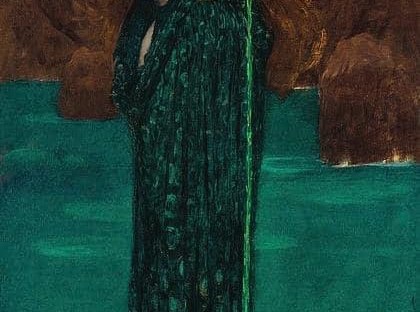
Circe was a daughter of the Greek sun god Helios, and his wife the Oceanid Perseis. Her siblings include another powerful sorceress, Pasiphae, the wife of Midas, and their brothers Perses and Aeetes. The brothers didn’t seem to inherit any magical abilities but the niece of Circe, Medea infamous did. Circe was one of the… Continue reading Greek Myth: Circe

research, Writing

Norse Mythology: Loki

Loki (Old Norse: Loki “knot/tangle”) is a wily trickster god of Norse mythology. While treated as a nominal member of the Aesir, he occupies a highly ambivalent and unique position among the gods, giants, and the other kinds of spiritual beings that populate pre-Christian Norse religion. Loki is the father of three monsters with giantess… Continue reading Norse Mythology: Loki

reads, Recent Reads

Cabaret of Monsters

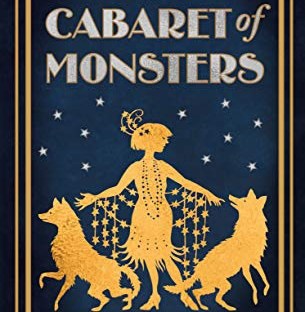
Publisher’s Description Saturnalia in Aufleur is a time of topsy-turvy revels, of the world turned upside down. The city’s theatres produce an annual display of reversals and surprises. Women can transform into wolves. Even the rats are not what they seem. Evie has travelled to Aufleur to uncover the city's sinister secrets… but this newspaper… Continue reading Cabaret of Monsters

research, Writing

Inuit Folklore: The Amikuk

The Amikuk is a monster from Inuit legend that is as deadly on land as it is in the water. They possess a deep hatred for al humans and actively hunt for kayakers in the open waters off the Alaskan coast. The Amikuk are often described as extremely long but almost human-like in shape. They… Continue reading Inuit Folklore: The Amikuk

reads, Recent Reads

The Hunger of the Gods

*** I received an ARC in return for an honest review *** Publisher’s Description Lik-Rifa, the dragon god of legend, has been freed from her eternal prison. Now she plots a new age of blood and conquest. As Orka continues the hunt for her missing son, the Bloodsworn sweep south in a desperate race to… Continue reading The Hunger of the Gods

reads, Recent Reads

The Shadow of the Gods

Publisher’s Description THE GREATEST SAGAS ARE WRITTEN IN BLOOD.  A century has passed since the gods fought and drove themselves to extinction. Now only their bones remain, promising great power to those brave enough to seek them out. As whispers of war echo across the land of Vigrio, fate follows in the footsteps of three… Continue reading The Shadow of the Gods