The Fear Gorta means Famine Man or Fรฉar Gortach and refers to the Hungry or Famine Grass in Irish folklore. The Famine or Hungry Man is a skeletal wraith and a harbinger of death. Fรฉar Gortach is a folklore tale of a cursed patch of land where if you tread, you are doomed to die… Continue reading Irish Folklore: Fรฉar Gortach
Tag: folklore
Appearances: Canberra Geek Markets
Iโll be at the Canberra Geek Markets this Saturday 29 April at EPIC, Canberra. My stall is located next to the Canberra Speculative Fiction Guild (CSFG) stall Come along and check out comics, books, media and merchandise for all your inner Geek desires! Iโm selling and signing books and have some cool merchandise all available… Continue reading Appearances: Canberra Geek Markets
Sumerian Mythology: Ereshkigal
Ereshkigal in Near Eastern mythology (Babylonian โ Assyrian) was the goddess of the underworld, married to the war god Nergal. Ereshkigal ruled over the Mesopotamian realm of death. She is Inannaโs sister, rival, or alter-ego as descriptions of her and her realm are found in the Sumerian hymn, The Descent of Inanna (available in English… Continue reading Sumerian Mythology: Ereshkigal
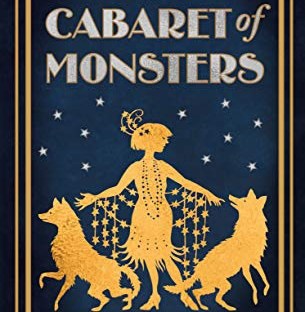
Cabaret of Monsters
Publisherโs Description Saturnalia in Aufleur is a time of topsy-turvy revels, of the world turned upside down. The cityโs theatres produce an annual display of reversals and surprises. Women can transform into wolves. Even the rats are not what they seem. Evie has travelled to Aufleur to uncover the city's sinister secretsโฆ but this newspaper… Continue reading Cabaret of Monsters
Inuit Folklore: The Amikuk
The Amikuk is a monster from Inuit legend that is as deadly on land as it is in the water. They possess a deep hatred for al humans and actively hunt for kayakers in the open waters off the Alaskan coast. The Amikuk are often described as extremely long but almost human-like in shape. They… Continue reading Inuit Folklore: The Amikuk
Leprechaun Folklore
The stereotype of the leprechaun is of lucky charms and pots of gold at the end of a rainbow. But leprechauns are members of the Fairy folk, a type of sidhe and are unusual because leprechauns are almost exclusively always male. The name leprechaun derives from the Gaelic leith brog โone shoemaker.โ The leprechaun is… Continue reading Leprechaun Folklore
The Shadow of the Gods
Publisherโs Description THE GREATEST SAGAS ARE WRITTEN IN BLOOD. A century has passed since the gods fought and drove themselves to extinction. Now only their bones remain, promising great power to those brave enough to seek them out. As whispers of war echo across the land of Vigrio, fate follows in the footsteps of three… Continue reading The Shadow of the Gods
Freyja: Norse Mythology
Freya (Old Norse Freyja, โLadyโ) is one of the preeminent goddesses in Norse mythology. Sheโs a member of the Vanir tribe of deities, but became a member of the Aesir gods after the Aesir-Vanir War. Her brother Freyr also became a member of the Aesir. Freyja is the Norse goddess of love, fertility, beauty and… Continue reading Freyja: Norse Mythology
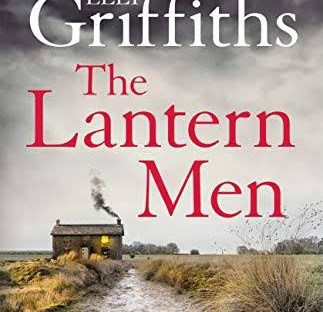
The Lantern Men
Publisherโs Description Everything has changed for Dr Ruth Galloway. She has a new job, home and partner, and is no longer North Norfolk police's resident forensic archaeologist. That is, until convicted murderer Ivor March offers to make DCI Nelson a deal. Nelson was always sure that March killed more women than he was charged with.… Continue reading The Lantern Men
Ryujin: Japanese Folklore
In Japanese mythology, thousands of dragons exist. All of them have three common characteristics: three claws on each leg, a mustache and a sacred pearl that is called the "dragon pearl". The magic of the dragons come from these jewels. It is from this jewel that the magic of these dragons comes. The greatest of… Continue reading Ryujin: Japanese Folklore

You must be logged in to post a comment.