reads, Recent Reads

What Moves the Dead

⭐️⭐️⭐️⭐️⭐️ Description When Alex Easton, a retired soldier, receives word that their childhood friend Madeline Usher is dying, they race to the ancestral home of the Ushers in the remote countryside of Ruritania. What they find there is a nightmare of fungal growths and possessed wildlife, surrounding a dark, pulsing lake. Madeline sleepwalks and speaks… Continue reading What Moves the Dead

research, Writing

Irish Myth: Tuatha Dé Danann

John Duncan's Riders of the Sidhe (1911) In the mythic Otherworld of Irish Gaelic folklore, the Tuatha Dé Danann are a powerful race, often described as semi-divine beings possessing extraordinary skills in magic and warfare. According to the tales and legends, they arrived in Ireland in a mist and introduced significant shift in culture and mystical knowledge.… Continue reading Irish Myth: Tuatha Dé Danann

research, Writing

Fox Folklore

Pinterest Image FOX IN MYTHOLOGY: Many cultures around the world depict the fox in their myths and lore extensively.  In Mesopotamian mythology of the early centuries, you will note how everyone regarded the fox as a sacred animal that belongs to the Goddess Ninhursag. The fox was her loyal messenger. FOX IN FOLKLORE: The Finnish… Continue reading Fox Folklore

reads, Recent Reads

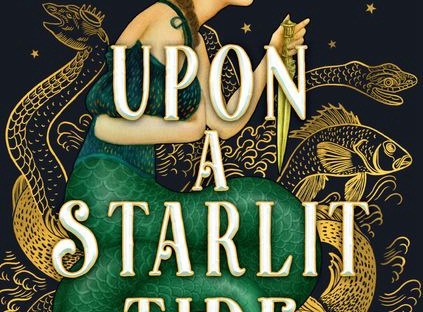
Upon A Starlit Tide

⭐️⭐️⭐️⭐️⭐️ ** I received an ARC for an honest review ** Description Saint-Malo, Brittany, 1758. To Lucinde Leon, the youngest daughter of a wealthy French shipowner, the high walls of Saint-Malo are more hindrance than haven. While her sisters are busy trying to secure advantageous marriages, Luce spends her days secretly being taught to sail… Continue reading Upon A Starlit Tide

research, Writing

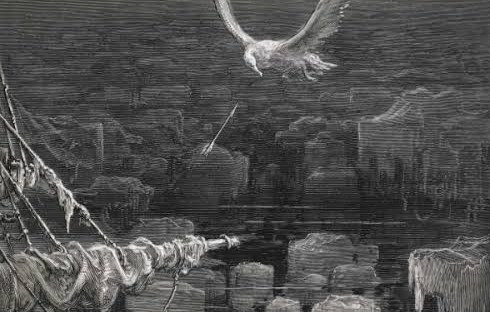
The Rime of the Ancient Mariner

Gustave Doré's The Rime of the Ancient Mariner illustration "The Rime of the Ancient Mariner" is one of the great epic poems by Samuel Taylor Coleridge, an English poet, written between 1797–1798 and published in 1798. For me, this endures as a haunting poem about the consequence of actions and respect for an equilibrium, especially… Continue reading The Rime of the Ancient Mariner

research, Writing

Irish Myth: Cliodha

Artwork by Tammy Wampler In Irish mythology, Cliodha is often now known as the Queen of the Banshees but once she was the most beautiful women in Irish mythology and the Tir Tairngire (Isle of Promise). In County Cork, Cliodha is firmly established as the patron of the land. Here, her mythology survives where she… Continue reading Irish Myth: Cliodha

reads, Recent Reads

Tales of the Wythenwood

⭐️⭐️⭐️⭐️ ** I received an ARC for an honest review ** Description Great Oak, an omnipotent power, hatches plans to crush dissent. Injured Desideria is helped by a mysterious creature—but what is its real intent? The Taker of Faces stalks the night for her next victim. Will this be the one that sates her need… Continue reading Tales of the Wythenwood

reads, Recent Reads

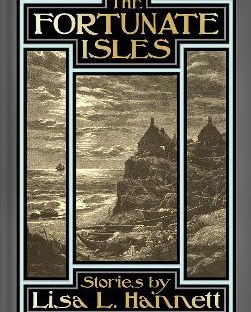
The Fortunate Isles

** I received an ARC for an honest review ** ⭐️⭐️⭐️⭐️⭐️ Description The Fortunate Isles collects fourteen tales of salt-crusted weirdness from the rugged, cold-clime harbour village of Barradoon... Barradoon: the limit of worldly navigation; stronghold of sea-myths and ancient forces; a place of simmering tension and ruthless vengeance meted out by human and inhuman alike.… Continue reading The Fortunate Isles

reads, Recent Reads

Emily Wilde’s Map of the Otherlands

** I received an ARC for an honest review ** Publisher’s Description Emily Wilde is a genius scholar of faerie folklore who just wrote the world’s first comprehensive encyclopaedia of faeries. She’s learned many of the secrets of the Hidden Ones on her adventures . . . and also from her fellow scholar and former… Continue reading Emily Wilde’s Map of the Otherlands

research, Writing

Slavic Folklore: Samodivi

A samodiva (plural: samodivi) is a wood nymph from the Balkans, specifically in Bulgaria. Samodiva translates ‘samo’ (alone) and ‘diva’ (wild/divine). The first part of the name signifies avoidance of humans and the second part indicates the wild or divine nature. These nymphs are forest spirits who appear as beautiful young women. But the Samodivi… Continue reading Slavic Folklore: Samodivi